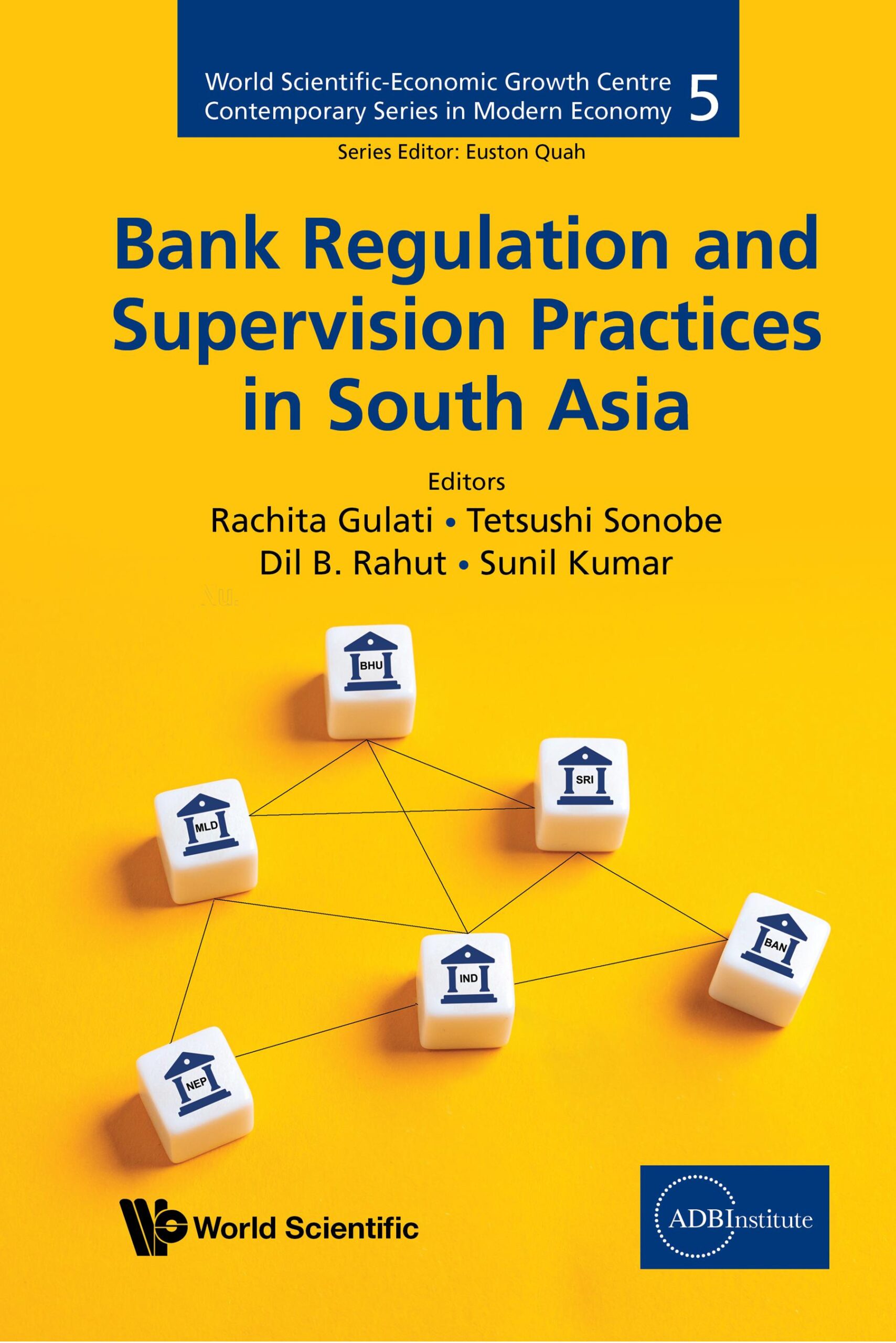

Commercial banks play a crucial role in accelerating economic growth in emerging economies, making effective regulation and supervision of these institutions essential for financial stability and depositors’ trust. Sound regulations reduce moral hazard, promote responsible financial behaviour, and strengthen transparency, while weak oversight can trigger speculative operations, excessive risk-taking, and even bank runs.
Regulatory Lessons from Crises
Regulation and crisis are closely intertwined: where sound regulation precedes a shock, it can mitigate the impact; where a shock arrives first, regulatory reform tends to follow as a preventive response.
South Asian countries have repeatedly learned this lesson. Global shocks such as the 2007–08 Global Financial Crisis, and the COVID-19 pandemic, alongside regional disruptions like Nepal’s 2015 earthquake, Bangladesh’s recurring political instability, the pressure of Bhutan’s currency peg with the Indian rupee, and Sri Lanka’s 2022 balance-of-payments and sovereign debt crisis, have continually tested the region’s financial resilience. Together, these episodes highlight how successive crises across the region have reinforced the need for vigilant regulation to safeguard against systemic risk and collapse.
Regulators across the region have been pushed to strengthen their safeguards against shocks. For example, India tightened entry criteria and empowered the Reserve Bank of India with early intervention powers, while Nepal updated its Unified Directives to introduce stricter board and audit committee norms. Sri Lanka’s licensed banks have remained Basel III-compliant since July 2019, while smaller economies such as Bhutan and the Maldives have raised their minimum capital adequacy requirements to buffer against shocks, even as the broader transition toward Basel III remains in progress.
These reforms show how repeated shocks have reshaped supervisory practices across the region, enhancing governance, risk management, and systemic stability. Across the region, supervisory powers have widened, PCA frameworks have been operationalised, and licensing and activity restrictions have tightened, leaving regulators better positioned to anticipate risks and respond effectively.
Navigating Emerging Frontiers: FinTech, Cybersecurity, and Climate Risk
As South Asia accelerates into a digital and sustainable future, rapid modernisation must align with emerging risks. Rapid digital transformation has expanded financial access but exposed new vulnerabilities in the form of cybersecurity, digital fraud, and data infrastructure. While FinTech regulatory sandboxes are operational in India (RBI, 2019), Sri Lanka (CBSL, 2020), and Bhutan (RMA, 2020), and with the Maldives currently in the process of establishing one, the fragmented adoption of new technologies and a lack of regional cross-border coordination remain significant hurdles.
Although South Asia is highly vulnerable to climate change, Environmental, Social, and Governance (ESG) considerations are inconsistently embedded in lending and oversight. Bangladesh has been a regional pioneer, introducing its Green Banking Policy (2011) and subsequently issuing Environmental and Social Risk Management (ESRM) Guidelines (2017). Bhutan, Nepal (ESRM Guideline, 2022), and Sri Lanka (through the SLBA Sustainable Banking Principles) have followed with their own ESRM frameworks. India has progressed through complementary instruments such as the SEBI Business Responsibility and Sustainability Report (BRSR) framework, the RBI’s Green Deposits Framework (2023), and a draft Disclosure Framework on Climate-related Financial Risks (2024). Even so, several economies in the region remain in the early stages of developing green finance taxonomies and mandatory climate risk disclosures.
Governance, Supervisory Powers, and Core Gaps
Supervision and corporate governance in South Asia have evolved considerably, with regulators gaining authority to monitor auditors, enforce restructuring, and intervene early through Prompt Corrective Action (PCA) frameworks. Governance standards now emphasise independent boards, audit and risk committees, and the separation of CEO and chairperson roles, and ESG reporting is expanding in India and Bangladesh.
However, convergence with global standards remains partial, and significant gaps persist. Institutional capacity is strained in state-owned banks operating under dual regulatory frameworks, while weak resolution mechanisms and uneven enforcement of risk-based supervision continue to challenge supervisors. Structural barriers also constrain priority-sector credit flows to vulnerable groups.
The Way Ahead: Modernisation and Regional Cooperation
As South Asia’s banking sectors enter a phase of modernisation, regulation and supervision must align with global digital and sustainability agendas. To build resilient, inclusive, and future-ready banking systems, regulators need to strengthen institutional capacity and embed forward-looking governance that integrates traditional prudential safeguards with emerging risks. This will require risk-based, technology-driven frameworks that adopt innovations such as AI, machine learning, and blockchain, while strictly safeguarding data privacy and ethical standards.
Regional cooperation through platforms such as SAARCFINANCE will be crucial for harmonising prudential norms, facilitating cross-border supervision, and enhancing crisis preparedness. Concurrently, institutionalising robust climate risk governance and advancing sustainable finance practices will be central to long-term financial stability across the region.
Read more in the recent ADBI publication: Bank Regulation and Supervision Practices in South Asia