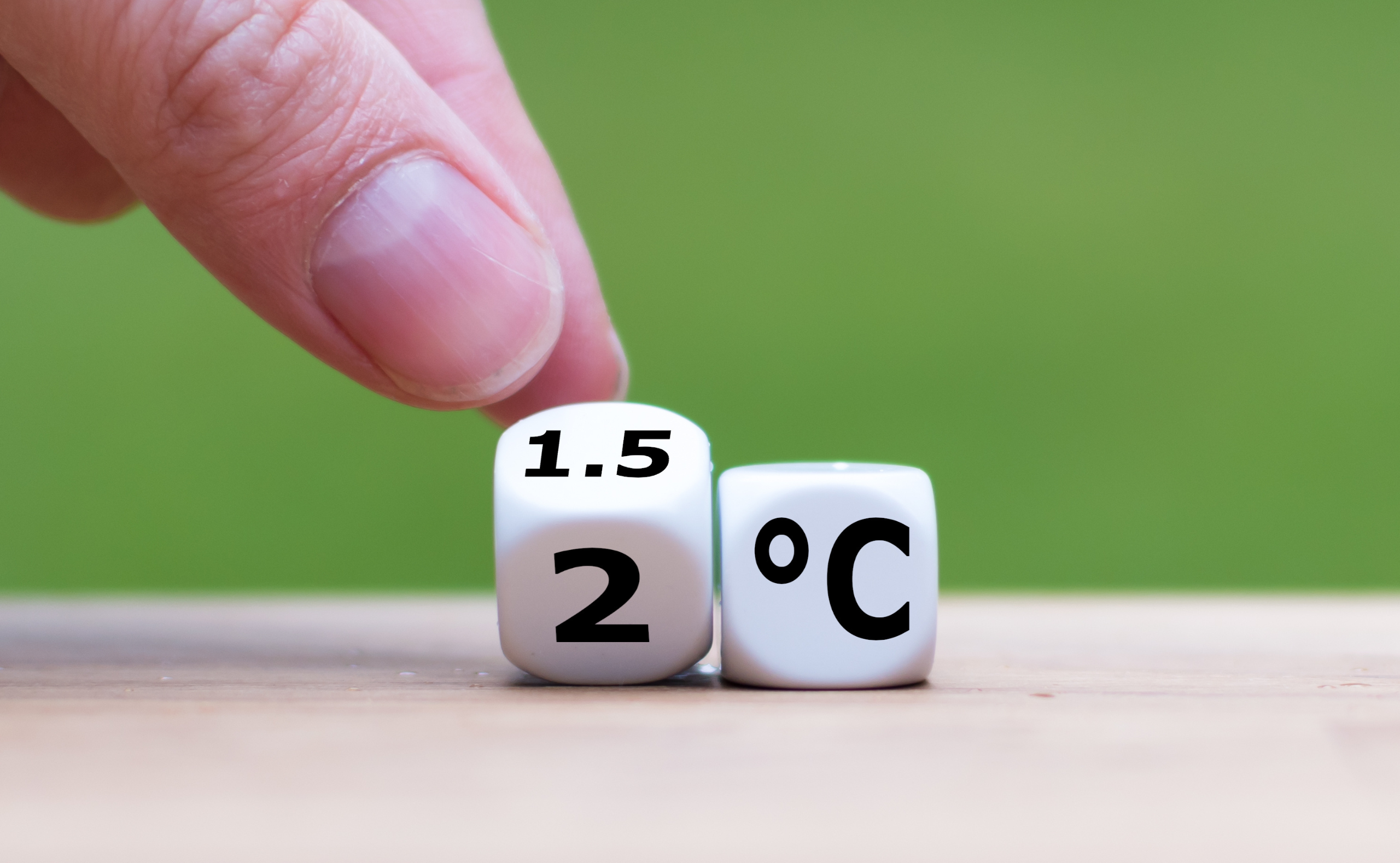
When COP 1 met in Berlin in 1995, it was a modest technical gathering. No head of government attended. Angela Merkel, then Germany’s environment minister, presided, while German Chancellor Helmut Kohl delivered the opening speech for the ministerial segment. Even COP 3 in Kyoto, which produced the landmark Kyoto Protocol, saw only the host prime minister attend the opening session. It was not until COP 15 in Copenhagen that heads of state arrived en masse, stepping in to rescue faltering talks and broker what became the Copenhagen Accord. That intervention established the global goal of limiting warming to below 2°C, along with other framework elements that later helped lay the foundation for the Paris Agreement.
Since then, COPs have ballooned from compact forums into sprawling spectacles. COP 26 in Glasgow brought one of the largest gatherings of world leaders. COP 28 in Dubai set a record with more than 97,000 on-site participants, nearly 25 times the size of COP 1. The number of delegates representing parties (countries) alone jumped from 757 at COP 1 to 51,872 at COP 28. COP 30 in Belém also drew large numbers despite its remote location. Scale has increasingly become a marker of success: more leaders, more delegates, more pavilions, and more side events. But size is not the same as impact.
The Paris Agreement Changed the Game: COP Must Catch Up
The Paris Agreement, adopted in 2015, created a durable architecture for climate action. Countries now submit nationally determined contributions (NDCs), update them every 5 years, and report progress through enhanced transparency frameworks. But real execution happens within national boundaries, through ministries, regulatory agencies, parliaments, and local governments, not during the 2 weeks of COP each year.
In this post‑Paris world, implementation is domestic and COP is supplementary. Countries act for reasons that go beyond multilateral commitments: cleaner air, energy security, competitiveness, and public demand. The United States significantly reduced emissions without ratifying the Kyoto Protocol. Today’s emissions trajectories are shaped far more by markets, technology, energy needs, and domestic politics than by annual diplomacy.
There is also a deeper structural reality: emissions track economic activity. The COVID‑19 shock made this unmistakable. Global emissions fell by 7% only because economies were forcibly shut down, which is not a condition any society can sustain. COP could be far more effective if it focused on supporting solutions that align climate action with development priorities.
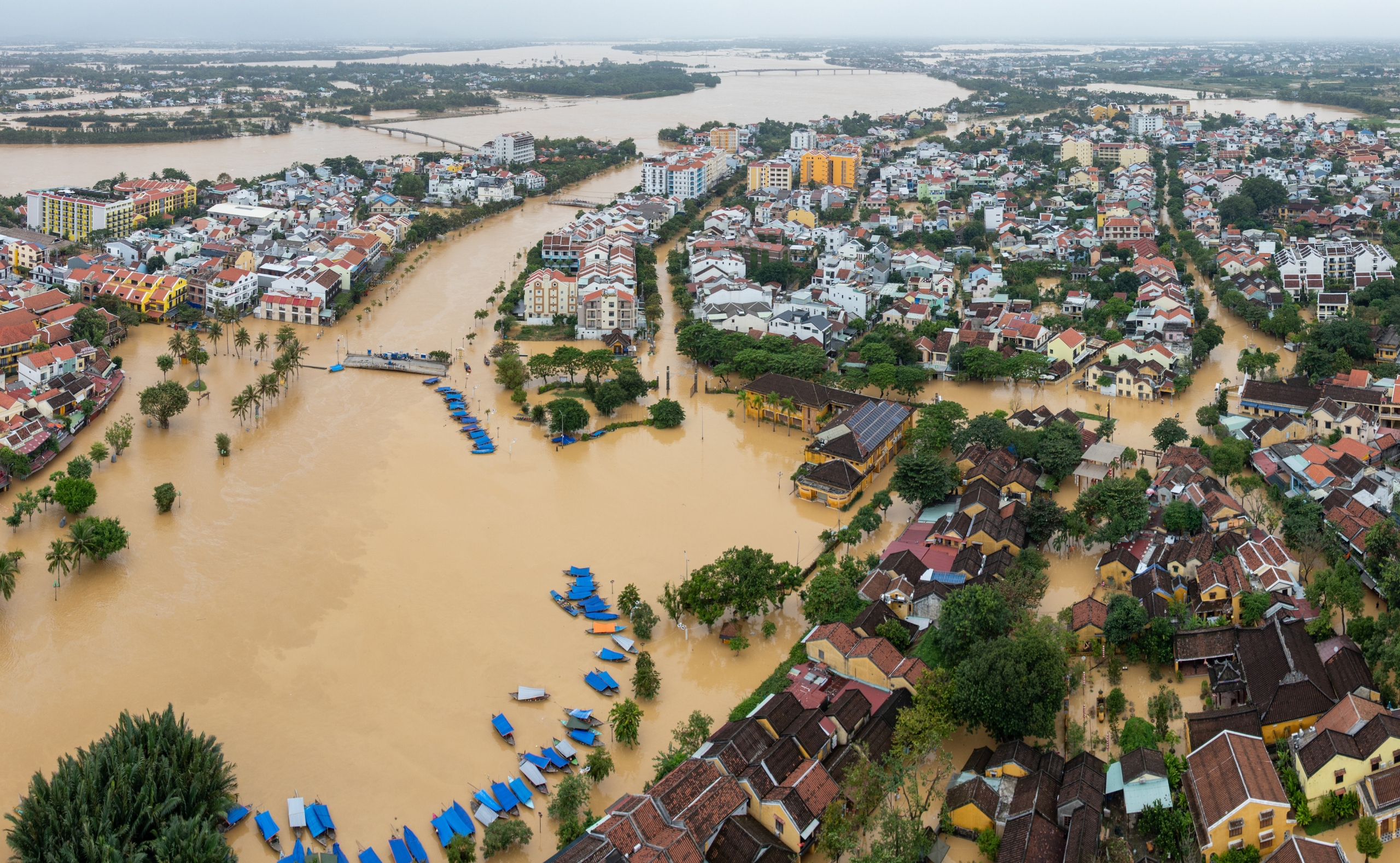
Even where climate policy is decisive, it faces limits. Canada’s 2023 wildfires released an estimated 640 million metric tons of carbon. That is equivalent to about 2.35 billion tons of carbon dioxide (CO2), almost on par with the combined annual fossil fuel emissions of Japan, Germany, and Canada. Events on this scale underscore the need for COP to prioritize resilience, finance, and technology deployment.
Yet COP has not truly evolved—it has simply expanded, absorbing every climate‑related issue, multiplying agenda items, and becoming more of a global climate expo than a platform for scaling execution. The current model is too large, too carbon‑heavy, and too detached from practical emission cuts. Unsurprisingly, the process is struggling under its own weight.
Why Does the Current COP Model No Longer Work?
Early COPs, though low‑key and technical, delivered some of the most consequential agreements in climate diplomacy. Today’s leader‑packed COPs bring visibility but also add to cost, carbon, and complexity. Smaller delegations, especially those from developing countries, struggle to keep track of parallel sessions. Corporate pavilions and side events often overshadow the main purpose. The carbon footprint of long‑haul flights and local logistics undermines credibility. COP 26 alone generated more than 100,000 tons of CO₂-equivalent.
COPs have also become catch‑all events for issues ranging from food systems to health to oceans. While all of these are important, their proliferation has stretched the platform thin and slowed progress on core tasks: mitigation, adaptation, and finance.
The annual format is also increasingly out of step with the Paris Agreement. COPs would be more effective if they were aligned more closely with the agreement’s five-year cycle for updating NDCs and conducting global stocktakes.
A Two‑Tier COP for Implementation
A practical reform would be to hold political COPs only when high-level deliberations and decisions are required on critical issues such as NDC updates, global stocktakes, or new finance frameworks.
In the intervening years, routine and technical work can continue through the UNFCCC Secretariat in Bonn. Its annual subsidiary meetings could be restructured as technical COPs, reducing costs, emissions, and logistics. A model for this already exists in a 2014 UNFCCC paper—it is time to revisit it and act.
Bringing Climate Action Back Home
One unintended consequence of COP’s evolution has been the over‑internationalization of climate action. Countries send thousands of delegates abroad each year, while domestic buy‑in remains uneven. A more effective approach would be to host annual national climate expos: public‑facing events that showcase technology, innovators, local governments, youth groups, and civil society. These could build domestic momentum, spur behavioral shifts, and support initiatives such as India’s Lifestyle for Environment movement and Indonesia’s Low Carbon Development Initiative, making climate action more tangible and politically grounded.
A COP Designed for Today, Not 1995
COP delivered the Kyoto, Copenhagen, and Paris agreements, but the model is now showing signs of fatigue.
A smaller, more focused, and less carbon-intensive COP that resists scope creep, adopts hybrid and multi-hub formats, and better supports national action would be better aligned with the goals of the Paris Agreement. This would require COP to evolve from a stage for announcements into a platform that accelerates execution. Such a directional shift would sharpen action, align diplomacy more closely with realities on the ground, ease pressure on the UNFCCC’s stretched budget, and encourage an approach guided by the 80/20 rule: pulling the core levers that deliver the greatest impact.
Paris built the architecture. COP must now make it work.