
From Berlin to Belém, 30 years on, climate change remains a threat. The planet is still not on track for the Paris Agreement’s goals. Pledges to keep global warming to within 1.5°C, or even below 2°C, sound increasingly hollow. Despite the clamor and initiatives to push coal out, it still accounts for roughly 35% of global electricity production.
Two big forces help explain why.
First, rapid electrification and growth imperatives have made energy security a strategic necessity. Electricity demand is surging. Governments are under pressure to keep the lights on, even if that means leaning on coal. The political cost of failing to deliver affordable, reliable power has never been higher.
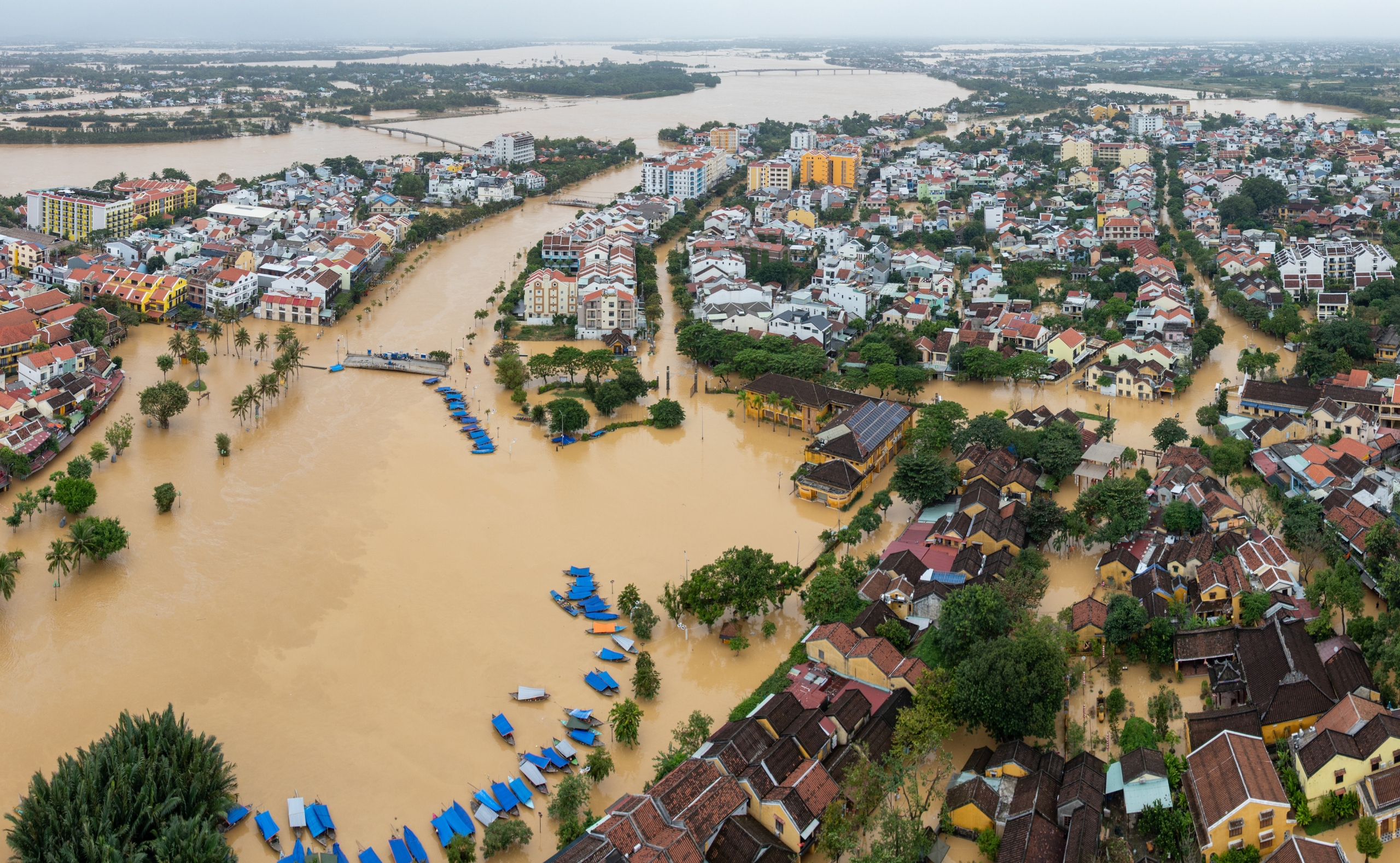
Second, climate impacts are reshaping public expectations. The Paris Agreement has been extraordinarily successful at raising awareness, but a decade of expensive climate conversations has not produced the kind of near-term improvement in weather extremes that people can feel. Wildfires, droughts, floods, and cyclones continue to hit. Long-range, modeled outcomes can seem abstract, and public trust is fragile, with cases such as the retraction of a high-profile Nature article further eroding public trust.
Together, these forces have led to societies looking for both energy security for prosperity and a livable planet. To many, removing carbon from energy, transport, and industrial systems initially sounded like a mission more important than energy access and growth. This sentiment is shifting. The political economy must now deliver both.
Finance is a clear constraint. Public budgets are stretched, while external aid is shrinking. Private capital is readily available, but it demands bankability. It is no surprise that Cirebon-I, a 660 MW coal-fired power plant in Indonesia, recently stepped away from planned early retirement. Retiring only 7 years early would have reportedly cost a staggering $8.4 billion. For the same reason, Just Energy Transition Partnerships too are unlikely to gain traction. In Germany, the ongoing coal phase-out is budgeted to cost €69 billion–€93 billion, with fewer than 100,000 people directly affected. Now imagine countries where tens of millions depend on coal value chains. The financing required is larger than anything currently on the table.
Climate finance is rising, but still far short of what is needed. Major multilateral development banks provided around $137 billion in 2024, yet the gap remains enormous. The UNFCCC’s Financial Mechanism has also struggled to mobilize funding at the scale required. The Green Climate Fund’s resource mobilization and replenishment over 2015–2023 totaled around $19 billion, barely enough to retire a few coal-fired power plants early.
With limited money, the world needs a new approach.
The singular focus on carbon has not helped. All major greenhouse gases, not only carbon dioxide (CO2), require attention. In terms of the potential to induce global warming, methane is roughly 80 times more potent than CO2, although it remains in the atmosphere for a far shorter period. Cutting methane emissions can help deal with rising temperatures over the shorter span of a decade or so, making climate efforts more relevant for current generations.
Moving the needle is crucial for climate change countermeasures to gain credibility. Addressing methane in agriculture may be challenging, but routine flaring in oil and gas is fixable. We should run the long marathon on carbon, while also sprinting on methane, industrial nitrous oxide, and other emissions. Signaling equity and justice is also critical. Calling out top emitters has only helped shape narratives and create counternarratives. Depending on whether we are looking at stock or flow, the protagonists change.
Pushing solely for fossil fuel phase-out can also signal disregard for developing countries’ growth aspirations. The European Union’s Carbon Border Adjustment Mechanism may be the preferred tool from one perspective, but it can sound like tariffs by another name.
This is where better metrics can help in tracking the transition. A work program led by the UNFCCC or multilateral development banks on “Just Metrics for Just Transition,” for instance, could help build a depoliticized lens to track transition progress and prevent blame games. Composite indicators that incorporate per‑capita energy use, emissions, and other data points can be a potential game changer.
Coal is finite. In many coal-reliant and coal-exporting countries, it will become economically unviable, even if not geologically exhausted, before the committed net-zero timelines. The shift away from coal is inevitable.
Technology has, meanwhile, made even coal remarkably less emissive. For example, a reconstructed coal-fired power station in Yokohama, Japan, deploying clean-coal technology could cut greenhouse gas emissions by 80%–90%. Japan’s advanced ultra-supercritical technology is set to make coal-fired plants practically emissions-free. Carbon capture and storage has also become more efficient: a single power plant in Taizhou, People’s Republic of China, captures half a million tons of CO2 annually. Co-firing with a mix of coal and refuse-derived fuel offers another lever to cut emissions and also deal with urban waste, itself an escalating challenge. No-coal and carbon lock-in arguments deter such modernization.
Policy carrots and sticks, without sufficient finance, have not made coal disappear. A clear lesson is that global warming demands a holistic approach that delivers abundant and affordable energy, guarantees energy security for all countries, and aggressively cuts greenhouse gas emissions—all together as a pathway to cleaner air and a cooler planet. Within this broader paradigm, the priority should be to innovate at scale and concentrate resources on a smaller set of well‑funded actions that result in perceptible climate outcomes. A policy choice along these lines will make coal—finite as it is—fade out faster than most expect.