
Across developing Asia, agriculture is undergoing a structural transition from staple-crop production toward higher-value commodities such as horticulture, livestock products, tea, and aquaculture. This shift, often referred to as high-value agriculture (HVA), offers new opportunities to raise farm incomes, strengthen value chains, and promote rural transformation. Yet, recent evidence from the People’s Republic of China (PRC) suggests that the benefits of HVA are neither automatic nor evenly distributed. Whether HVA contributes to inclusive and sustainable development depends critically on institutions, infrastructure, and farmers’ capabilities.
HVA can reduce poverty and narrow the urban–rural income gap, though these benefits are not uniform across regions and contexts. Agricultural clusters centered on high-value products in PRC have shown to improve rural incomes. However, Indonesia’s experience shows that proximity to export-oriented agricultural clusters does not automatically translate into local welfare gains. In some regions, villages located near HVA export hubs remain poor unless supported by adequate infrastructure and market linkages.
Although HVA expansion increases average incomes, its benefits are often unevenly distributed across households and regions. Better-educated and digitally connected farmers in PRC are more likely to benefit from new opportunities in high-value chains. Farmers located closer to markets or township centers also gain more from branding, entrepreneurship, and spillovers in non-farm employment.
Technological change alone is not sufficient to drive transformation in HVA systems. Farmers’ decisions depend strongly on information access, risk perceptions, and social learning. Improving farmers’ ecological knowledge can significantly reduce pesticide use in pear production systems, and targeted climate information delivered through digital platforms increases banana farmers’ willingness to adopt adaptation strategies. Similarly, neighborhood effects and peer learning influence post-harvest storage decisions among high-value grape producers, helping farmers capture higher market value.
Institutional support plays a decisive role in enabling farmers to adopt environmentally sustainable and climate-smart practices. Evidence from the tea sector in Sri Lanka demonstrates that membership in agricultural cooperatives significantly increases farmers’ adoption of environmentally friendly production practices. Dedicated extension services in Sri Lanka further enhance the adoption of climate-smart practices and improve tea farm resilience to weather shocks.
Rural transformation often coincides with rising non-farm employment, which can reduce the availability of labor for high-value crop production. Evidence from Nepal shows that off-farm employment tends to discourage farmers’ participation in labor-intensive HVA systems. However, access to mechanisation services can offset these constraints by reducing labour requirements and enabling households to remain engaged in commercial agriculture.
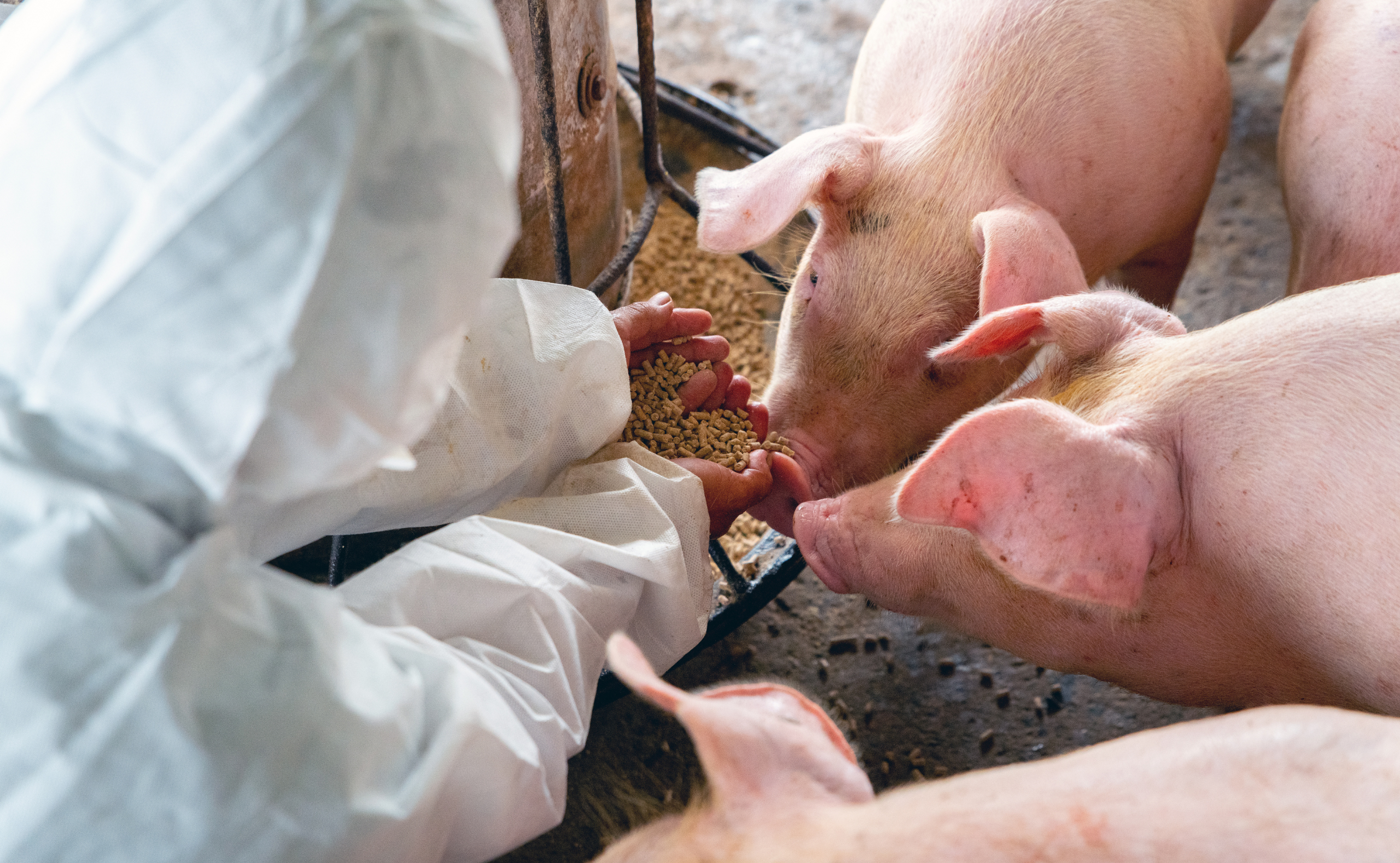
HVA is increasingly expected to deliver not only higher incomes but also environmental sustainability and climate resilience. Yet recent studies show that productivity gains from modernization depend strongly on agroecological conditions and farm size. For example, capitalization significantly improves green productivity in medium- and large-scale pig farms in the PRC but has limited effects on smallholders. Similarly, climate suitability plays a central role in shaping competitiveness in international seed potato markets, with research and development investments complementing imports in unfavorable climates while supporting domestic production in favorable ones.
Integrated production systems such as shrimp–rice co-culture in PRC illustrate how digital tools can enhance both productivity and resilience. Evidence shows that combining public extension services with digital information platforms improves output while reducing production volatility. However, benefits are not evenly distributed across farmers, reflecting differences in education, age, and access to technology.
Three policy steps for HVA-led rural transformation
Taken together, HVA can serve as a powerful engine of rural transformation across Asia, but only when supported by complementary investments in infrastructure, institutions, and human capital. Several policy directions can help enable HVA to drive rural transformation across Asia.
First, governments should strengthen rural connectivity and value-chain integration to ensure that farmers, especially those in remote areas, can access markets, services, and higher-value opportunities. Without improved infrastructure and stronger local linkages, HVA expansion risks generating enclave-style development rather than inclusive growth.
Second, policymakers should expand inclusive extension systems and cooperative-based service platforms while strengthening the delivery of digital and climate information. These institutions play a critical role in translating knowledge, market signals, and climate information into improved production practices and more resilient livelihoods, particularly for smallholders and resource-constrained households.
Third, governments should promote service-based mechanization models and design scale- and region-specific agricultural policies that reflect local agroecological conditions and structural constraints. Differentiated support is essential to ensure that modernization benefits both smallholders and larger producers while supporting environmentally sustainable transitions.