Rising inequality remains a major challenge in South Asia, raising an important question for policymakers: how can the region achieve growth that is both sustained and inclusive? One possible answer lies in targeted agricultural transformation. Emerging areas such as organic cultivation could help ease rural distress while promoting more equitable development across the region.
Looking Beyond GDP Growth
South Asian economies continue to grow, yet rising inequality poses a significant threat to their long-term economic prospects. India, the largest economy in the region, exemplifies this paradox. It is projected to surpass Japan and become the world’s fourth-largest economy in 2026. Yet, this milestone obscures the deeper socioeconomic reality of rapid GDP growth alongside persistent poverty.
Rising inequality is also a structural barrier for middle-income countries seeking to transition to high-income status, a condition often described as the “middle-income trap.” For South Asia, which is home to 25% of the world’s poor and is extremely vulnerable to climate change, sustained inclusive growth requires a policy approach that focuses on livelihoods, nutrition and sustainability. One promising pathway is to make strategic interventions in agriculture that support emerging sectors such as organic farming. This would allow countries to build on their deep-rooted traditional farming base while advancing both equity and resilience.
Strategic Agri-Investments: Building Foundations for Inclusive Growth
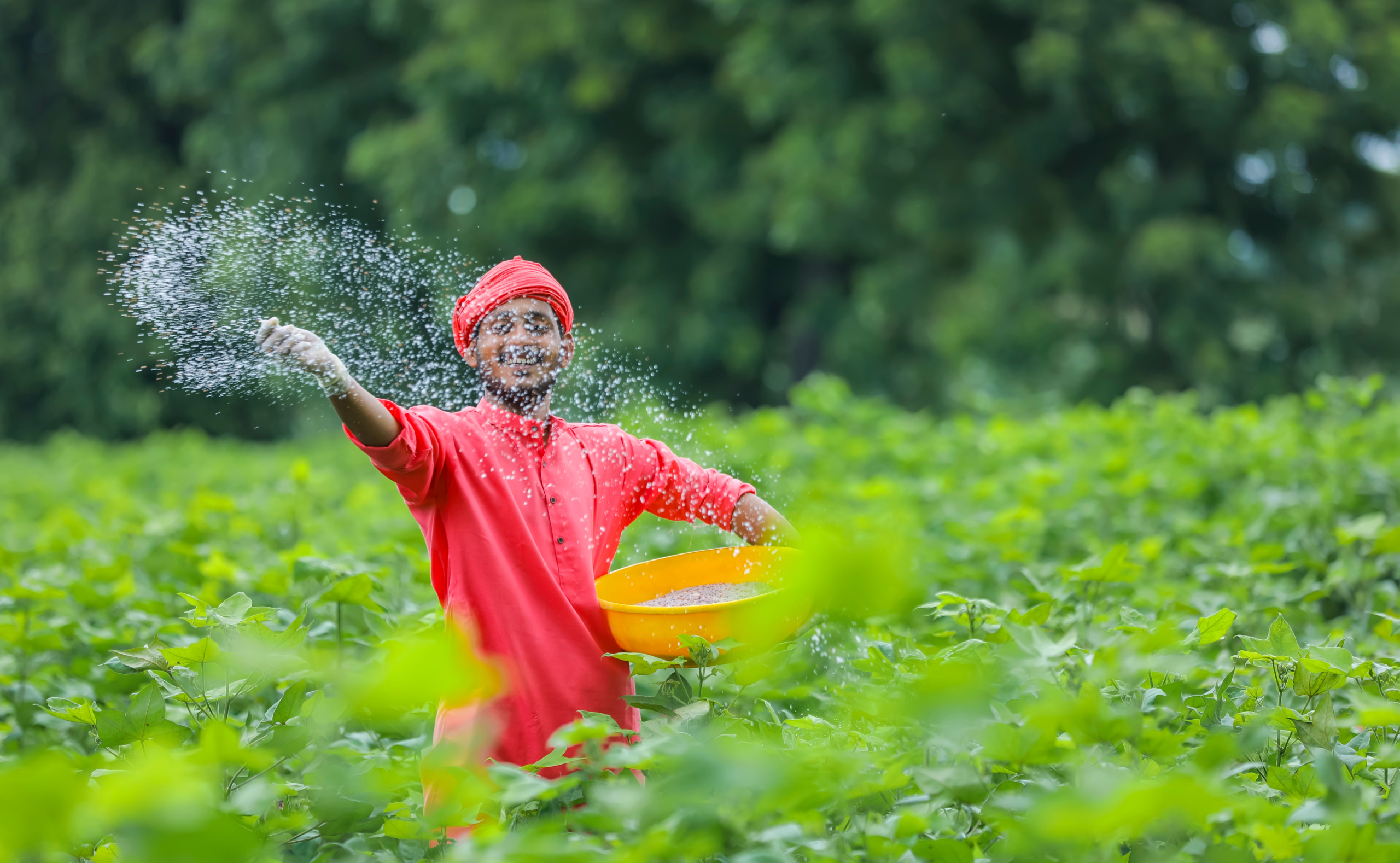
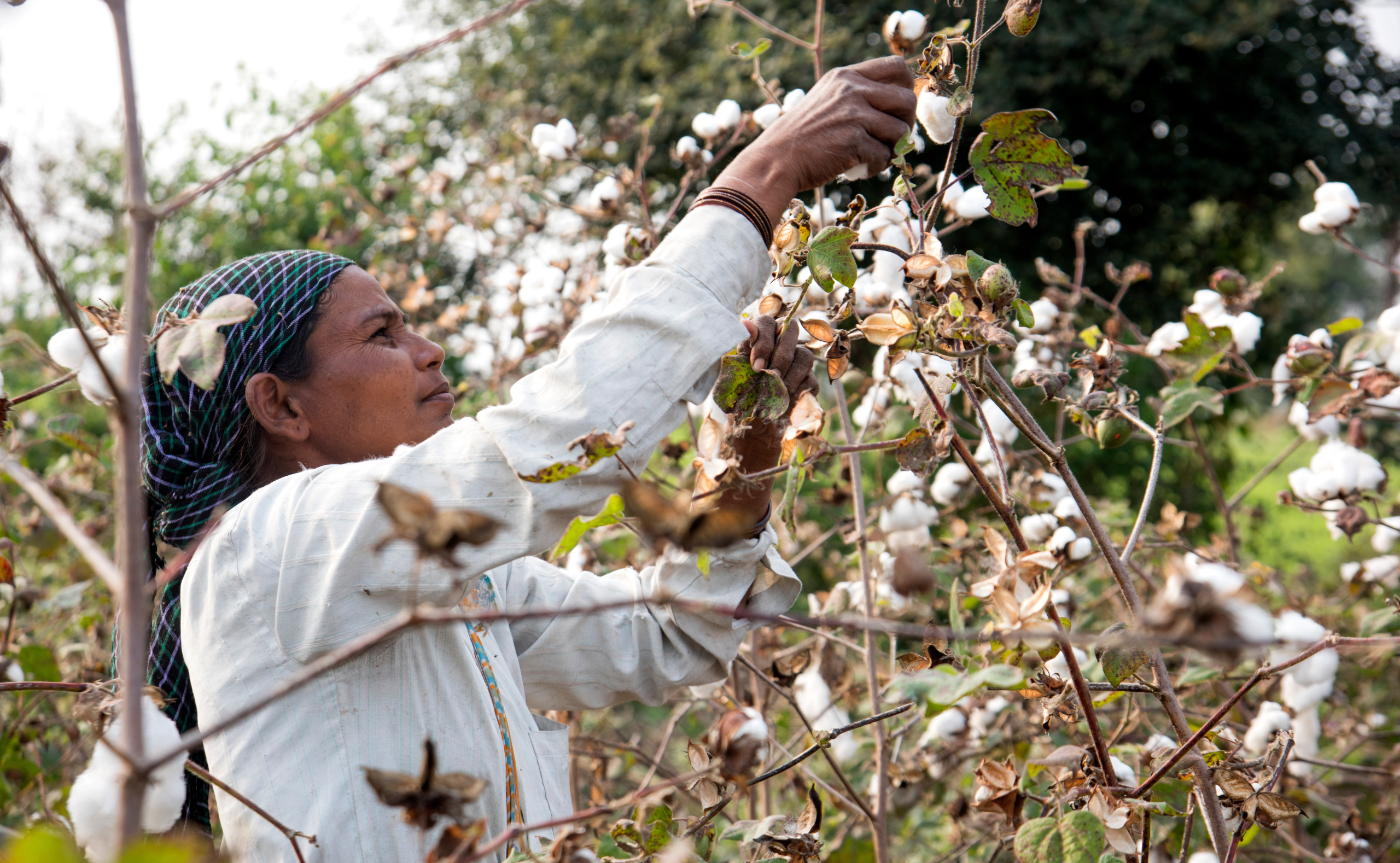
Agriculture is a cornerstone of South Asia, contributing significantly to GDP, employment, and food security. Yet productivity remains low and growth sluggish, averaging about 3%. Common challenges include fragmented landholdings, dependence on rain-fed farming, weak market linkages, poor access to credit, distress migration, and fragmented policymaking. Others are country-specific. Colonial-era cropping patterns entrenched export-oriented plantation crops at the expense of food security and ecological balance, replacing food crops with rubber in Sri Lanka and cotton in semi-arid India. Fragile ecologies constrain production in the mountainous regions of Bhutan and Nepal, as well as in the low-lying Maldives, while chemical fertilizer overuse, a legacy of the “Green Revolution,” has depleted soils in India and Bangladesh.
Nearly 60% of South Asians still live in rural areas and depend on agriculture, intensifying pressure on scarce land resources. The region, home to a quarter of the world’s population but only 4% of its landmass, faces multiple challenges of low productivity, high poverty, and poor nutrition. Most countries rank between “moderate” and “severe” on the Global Hunger Index.
Evidence shows that agriculture-led growth has a disproportionately positive impact on poor people, as seen in countries such as the People’s Republic of China, Viet Nam, and Ethiopia. Any inclusive development strategy for the region must place agricultural growth at its core. Importantly, agricultural policy should go beyond productivity gains to ensure access to safe, nutritious food and safeguard the long-term sustainability of farming systems.
Organic Cultivation as a Climate-Smart Economic Opportunity
By aligning economic growth with environmental sustainability, approaches such as organic cultivation can generate shared benefits for consumers, producers, and local ecosystems. Rising global demand—evidenced by high retail growth in the European Union, especially Germany, as well as the United States, Japan and Australia—offers South Asia an opportunity to leverage its extensive traditional farming practices and indigenous agricultural inputs. The region holds several comparative advantages: long-standing traditions of organic farming, extensive areas under organic cultivation, a deep historical knowledge base, preservation of diverse local crop varieties, community seed banks, and grassroots initiatives reviving traditional methods.
However, these strengths require multi-sectoral policy support to be translated into tangible gains. Abrupt policy shifts, as seen in Sri Lanka’s overnight fertilizer ban, which triggered yield declines and food shortages, underscore the risks of poorly managed transitions. Bhutan’s ongoing experiment to become “100% organic” illustrates the difficulty of scaling such ambitions at the national level. India, despite having the world’s largest number of organic farmers (nearly 50% of global producers) and the second-largest area under organic cultivation, also demonstrates the productivity challenge. Organic exports represent only 2.4% of its agricultural exports and just 1.4% of the global organic market.
To make agriculture a true game changer for South Asia’s growth, policy interventions must address critical bottlenecks, including disjointed frameworks, limited infrastructure, and low technology uptake. They must also support the scaling up of traditional practices and strengthen market access.
Key Takeaways and Policy Recommendations
- Adopt a comprehensive cross-sectoral policy approach that supports both the supply side (through farmer training, organic transition finance, crop insurance, and market access) and the demand side (through consumer awareness, credible organic branding, and value-added supply chains).
- Strengthen on-the-ground support and capacity building through technical support, wider promotion of technology adoption, precision farming, soil testing labs, and seed banks.
- Invest in farmer collectives and infrastructure to strengthen institutional support for smallholders, provide financial support for the transition, and incentivize reduced chemical input use, as seen in India.
- Strengthen certification and branding by building credible accreditation systems with high traceability. Also, diversify from raw exports to value-added organic products for high-value markets.
- Integrate organic farming into broader sustainability missions by aligning it with programs that promote sustainable lifestyles and environmental health, such as Bhutan’s Gross National Happiness Index and India’s LiFE (Lifestyle for Environment) initiative.