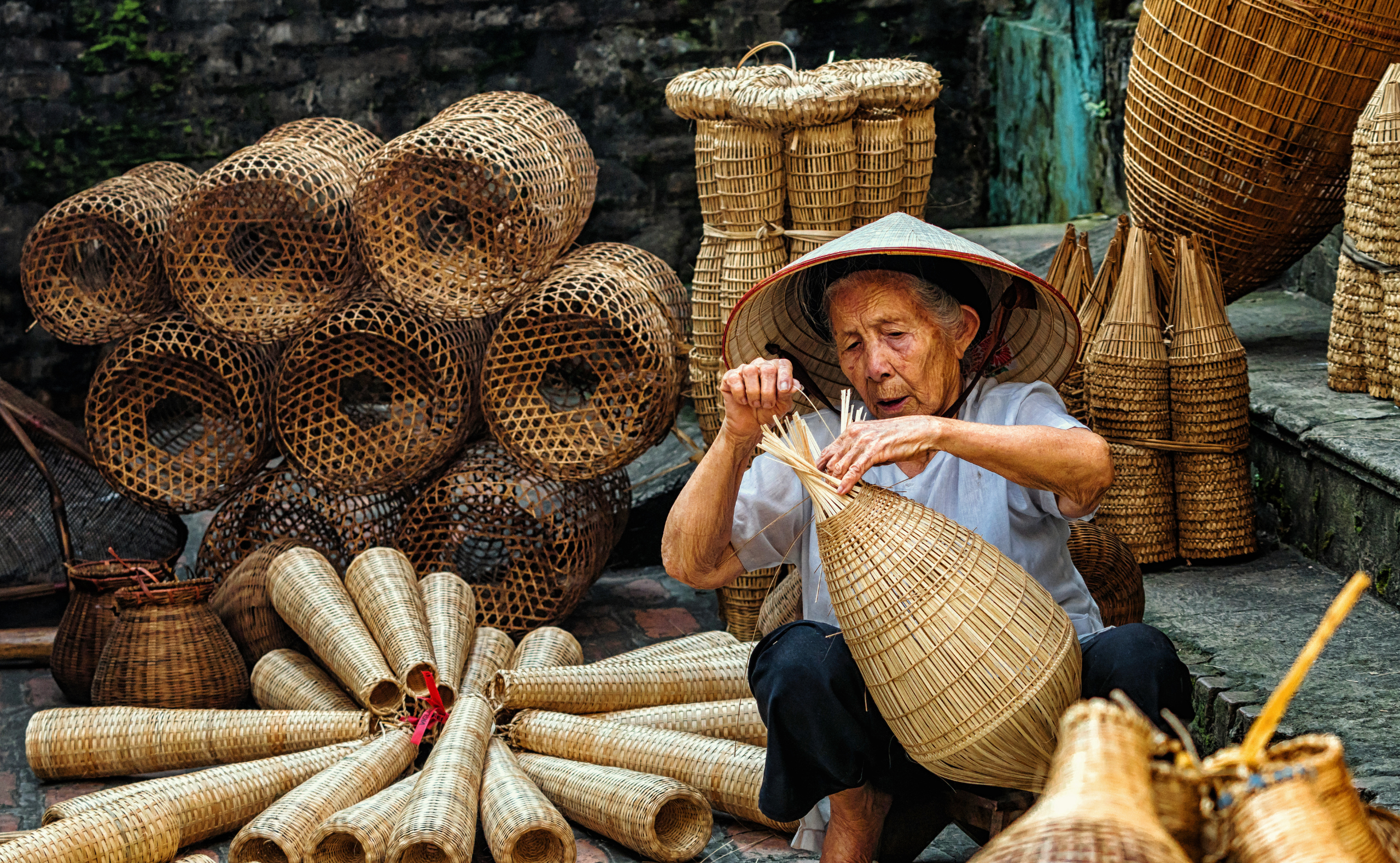

Rural communities remain home to many of Asia’s poorest households, and agriculture continues to shape their livelihoods. Effective poverty reduction depends on stronger, better-targeted investment in the sector, requiring attention not only to boosting production but also to supporting the entire value chain, including processing, logistics, and marketing, and investing in small producers, such as family-owned farms.
However, not all investment is good investment. Guiding principles are essential for protecting communities and their natural environment, respecting rights, and ensuring that benefits are shared fairly. The ASEAN Guidelines on the Promotion of Responsible Investment in Food, Agriculture, and Forestry (AGRAI) were crafted with this purpose, based on the United Nations Principles for Responsible Investment in Agriculture and Food Systems, which aim to promote investments that improve food security and nutrition and uphold everyone’s right to adequate and sustainable food.
Since 2019, the Asian Partnership for the Development of Human Resources in Rural Asia (AsiaDHRRA) has been working with the Food and Agriculture Organization of the United Nations (FAO) to bring the AGRAI principles to life across Southeast Asia. AsiaDHRRA has produced knowledge materials, mobilized its network of resources to connect with local organizations, and built clusters of champions to host small forums and discussions on responsible agriculture investments (RAI) in their communities. Training of Trainers sessions have helped these champions become knowledgeable advocates, who now serve as local leaders and experts for AGRAI discussions and outreach.
Understanding how agricultural policies are playing out in real life involved digging deeper into local communities. Local DHRRAs and their partners sat down with communities and discovered that youth policies tend to focus on education or sports, with very little attention to agriculture. Meanwhile, many young people view farming as challenging, low-paying, and not prestigious, although they are often interested in the business side of agriculture, such as agri-entrepreneurship and digital tools that link farmers to markets. Overall, awareness of AGRAI remains limited.
Helping communities bring these concerns to lawmakers, government officials, and even businesses—to ensure that decision-makers not only listen but act—brought up several key issues:
- Limited access for young farmers and women to policy forums;
- Unfair contract farming deals that leave smallholders behind;
- Weak or missing laws to support youth participation in agriculture (e.g., the Magna Carta on Youth Participation); and
- The need for agricultural roadmaps that meaningfully involve young people.
Through consultations, AsiaDHRRA identified three major challenges to RAI implementation. First, significant investments can trigger conflict, especially when people’s homes or environments are at stake, such as cases where communities are pushed out of their homes and lands. Usually, the poorest communities are the hardest hit, and even when they speak up, they are not heard or offered real solutions. Second, securing buy-in from governments and the business sector is difficult unless AGRAI principles already align with their missions or business plans. Teaming up with organizations like FAO or the International Fund for Agricultural Development can sometimes help move things forward. Third, there are simply not enough resources to fully implement RAI.
Based on these learnings, AsiaDHRRA has developed the following recommended interventions:
- Asset reforms for farmers, fishers, and upland communities who need to secure access to land, water, and forests, along with government investment in rural training, appropriate technologies, and infrastructure.
- Effective conflict resolution systems that offer clear and accessible ways for communities to settle disputes and achieve fair outcomes.
- Stronger community organizing and leadership, especially in remote or underserved areas, supported by leadership training, advocacy skills, and access to decision-making spaces.
- Inclusion of women, youth, and indigenous peoples in decision-making to create policies that actively include and empower them along the entire value chain.
- Support for local governments and leaders that champion participatory planning and eco-friendly farming approaches.
Policy change is hard. It takes influence, persistence, and sometimes pressure, especially when advocating for groups who are often left out of these conversations. The good news is that many civil society organizations, including farmer groups and small entrepreneurs, are committed to adopting AGRAI principles in their programs at the grassroots level.
Many countries in Asia continue to face persistent agricultural challenges, such as food security and malnutrition, labor shortages, and rural poverty, all compounded by land-use change due to urbanization and climate change. It is time to confront these challenges and rethink approaches to solving them. Engaging and empowering rural communities and smallholder farmers through AGRAI, transforming agrifood systems with appropriate technologies, and involving youth by appealing to their interests are just some of the potential measures that can help improve conditions in the agriculture sector, strengthen farmer well-being, and alleviate rural poverty.
Related: ADBI Webinar Highlights Responsible Agricultural Investment for ASEAN Rural Development